Do You Really Need Renters Insurance? What California Tenants Should Know About Coverage and How to Choose

Lately, many people preparing to move ask me, "My landlord has insurance, so what happens to my belongings?" The short answer: landlord insurance protects the building, while a tenant's furniture, electronics, and personal liability need renters insurance of their own. The California Department of Insurance (CDI) also states that a landlord does not provide insurance for a tenant's personal property. This post uses CDI and National Association of Insurance Commissioners (NAIC) materials to walk through what renters insurance covers, what it leaves out, and what to decide before you buy.
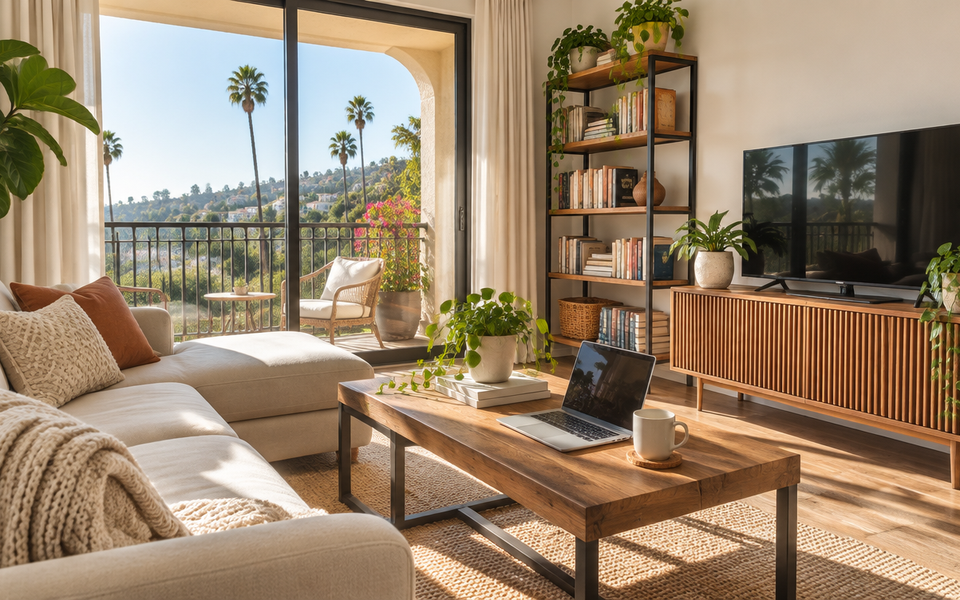
What Does Renters Insurance Cover?
According to CDI, renters insurance generally covers four things. First is personal property: furniture, electronics, and clothing inside your home. You choose the limit, and the minimum varies by insurer. Second is loss of use: lodging, meals, and similar costs when a covered loss, such as a fire, leaves you unable to live in your home. CDI describes this as 20% of your personal property limit.
Third is personal liability, which covers legal defense and damages if you are responsible for injuring someone or damaging their property. CDI describes the minimum as generally $100,000, and intentional acts are not protected. Fourth is medical payments to others: reasonable medical expenses for someone accidentally injured in your home, generally with a minimum of $1,000. It does not apply to you or the people who live with you, and it is not a substitute for health insurance.
What Renters Insurance Doesn't Cover, Especially Earthquakes and Floods
NAIC explains that renters insurance covers only the contents of your home, not the building. The structure is the job of the landlord's insurance. The two items renters miss most often are floods and earthquakes. Flood damage is typically not covered, and separate flood insurance is available through the National Flood Insurance Program (NFIP). CDI says renters can buy up to $100,000 in coverage for their personal belongings.
Earthquakes are also typically not covered by a standard renters policy, so you need to buy that coverage separately, and even then it only covers what the policy states. CDI also notes that in some cases a policy may cover direct losses such as explosion, theft, or broken glass caused by an earthquake, so read the exclusions section of your own policy carefully. Other exclusions include war, nuclear hazard, landslides, sinkholes, and anything else listed in the policy. In earthquake-prone California, this is an especially important item to check.
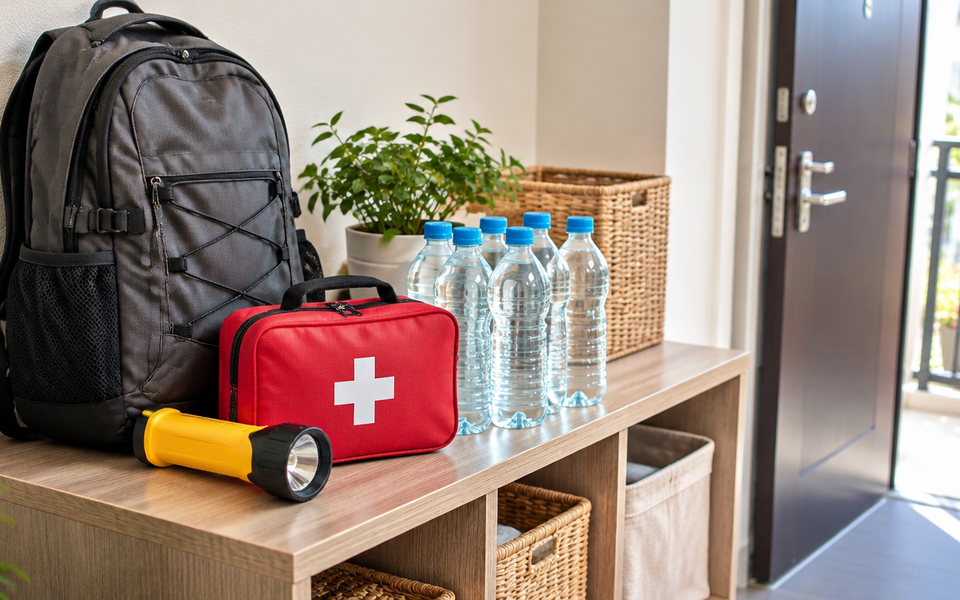
Four Things to Decide Before You Buy
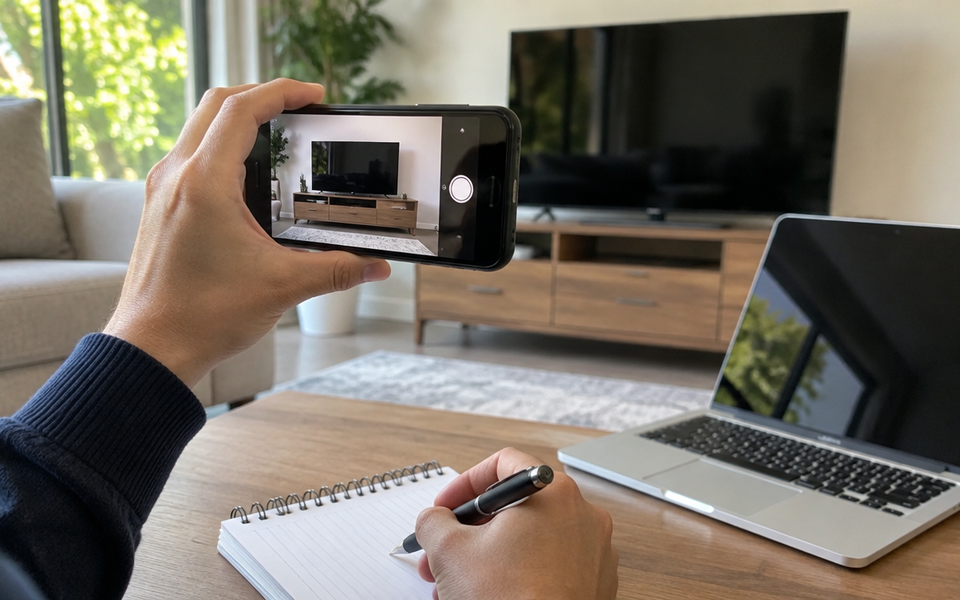
First, make an inventory of your belongings. Both CDI and NAIC recommend a home inventory, because after a loss you can only be reimbursed for items you can prove you owned. Write down each item, when you bought it, and what it cost, and keep photos or video. It is best to store the inventory somewhere other than your home.
Second is how claims are paid. Replacement cost is the cost of buying similar new items, while actual cash value (ACV) is that amount minus depreciation for age and wear. The payout for the same loss can differ a lot, so when you compare quotes, don't look at the premium alone. Check this item too.
Third is the deductible. CDI notes that if you can afford to take on a bit more risk, a higher deductible may significantly reduce your premium. In exchange, you pay more out of pocket when a loss happens, so choose an amount you can comfortably cover.
Fourth is limits on high-value items. According to CDI, items such as jewelry, antiques, furs, collectibles, fine art, silverware, and cash have separate, lower coverage limits. These sub-limits are included within your overall personal property limit, so if you own valuable items, ask your insurer about an endorsement for additional coverage.
How to Get Quotes, Step by Step
Start by listing your belongings and an approximate total value, and check whether your lease requires tenants to carry insurance. Then get quotes from two or three insurers using the same terms (coverage limits, deductible, and replacement cost or ACV) and compare them. CDI also advises comparing coverage and conditions, not just price. Read the exclusions to decide whether you need earthquake or flood coverage. Before you sign, confirm that the application correctly shows the coverage limits, deductible, insurer name, and policy period, and verify the seller's license on the CDI website.

Three Common Questions
"Can I share one policy with a roommate?" It depends on the policy. Who counts as an insured varies by insurer, so ask the insurer directly before you buy.
"Do I really need earthquake insurance?" First, know that a standard renters policy typically does not cover earthquakes. Whether you need it depends on the value of your belongings and the size of a loss you could absorb, and earthquake coverage also pays only what the policy states.
"If my landlord has insurance, do I still need renters insurance?" Yes. Landlord insurance covers the building structure, while renters insurance covers a tenant's belongings and liability, so they protect different things.
In short, renters insurance protects different things than your landlord's insurance. It covers personal property, loss of use, personal liability, and medical payments to others, but floods and earthquakes need to be checked separately. Before you buy, decide on your inventory, how claims are paid, your deductible, and limits on high-value items, then compare quotes on the same terms.
If you are preparing to rent or buy a home in Orange County or Irvine, feel free to reach out using the contact details below. This article is general information, not a sale or recommendation of any insurance product. Coverage and eligibility vary by insurer and policy, so check with your insurer or a licensed insurance professional before you buy.
Sources: California Department of Insurance, "Residential Insurance: Homeowners and Renters"; NAIC, "My Insurance Doesn't Cover What?"
Feel free to reach out anytime for buying or leasing properties in Irvine and Orange County.

Michael Kim
REAL Estate Agent
DRE# 02282988 | C&C Realty Group Inc
📞 949-517-2945
C&C REALTY GROUP
LUXURY REAL ESTATE